Social media has become an integral part of our daily lives – we use it to connect with friends and family, stay updated on current events, and even promote our businesses. With billions of users worldwide, platforms like Facebook, Instagram, Twitter, and LinkedIn have revolutionized the way we communicate and interact with others.
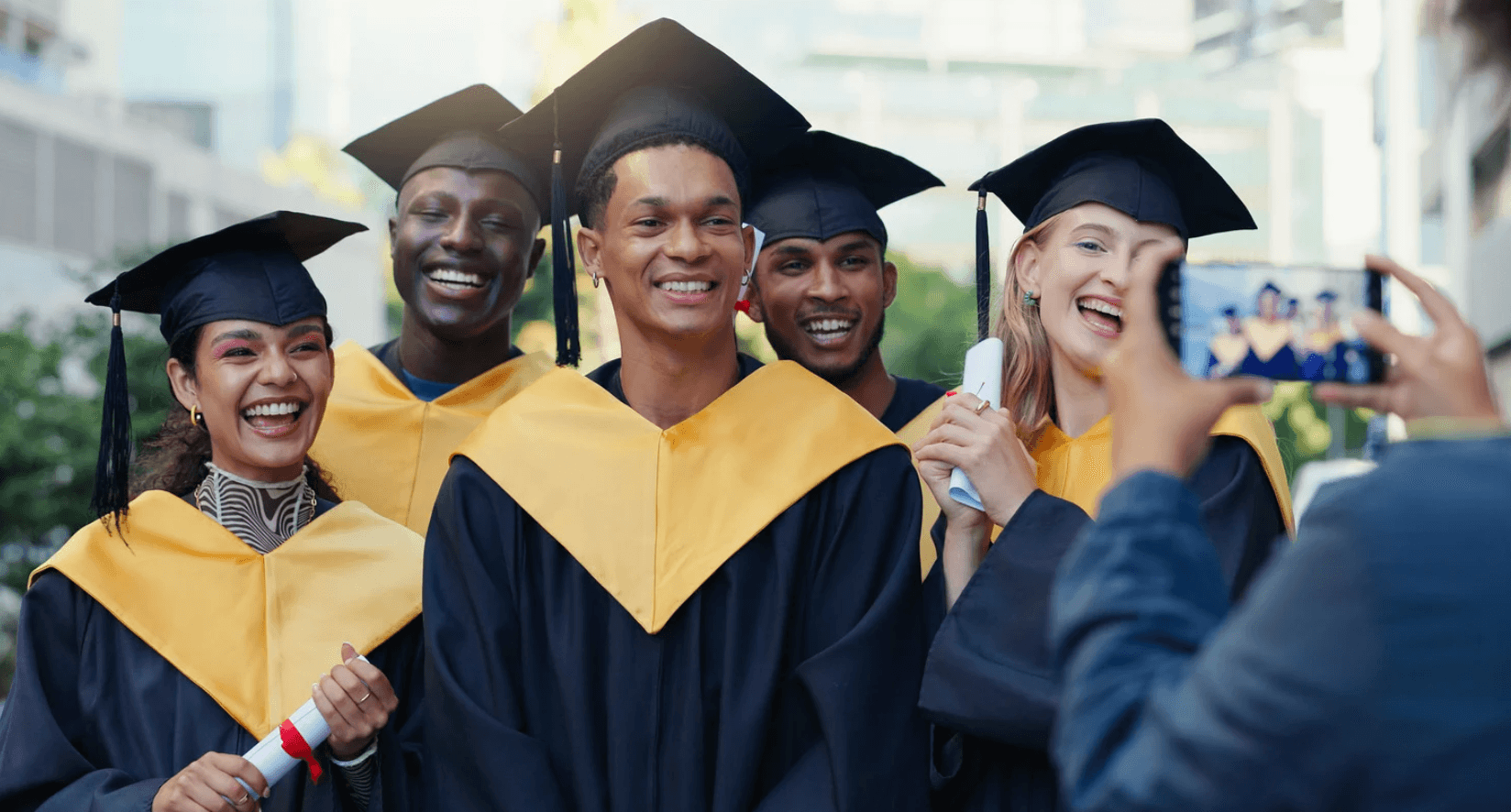
One of the main benefits of social media is its ability to connect people from all over the world. Through platforms like Facebook, we can easily stay in touch with friends and family members who live far away. We can share photos, videos, and updates about our lives, keeping our loved ones informed and involved in our day-to-day activities. This level of connectivity has made the world feel smaller and more interconnected than ever before.
In addition to keeping in touch with friends and family, social media also allows us to connect with people who share similar interests and hobbies. Through communities and groups on platforms like Reddit and Discord, we can find like-minded individuals who share our passions and help us feel like we belong. Whether it's discussing the latest movies and TV shows, sharing tips and tricks for a specific hobby, or seeking advice on personal issues, social media provides us with a sense of community and support that can be difficult to find offline.
Furthermore, social media has become a powerful tool for businesses and marketing professionals. With the ability to reach billions of users worldwide, platforms like Instagram and Twitter have revolutionized the way companies promote their products and services. Through targeted advertising and sponsored posts, businesses can reach their target audience more effectively and generate leads and sales. Influencer marketing has also become a popular strategy, with brands partnering with social media personalities to promote their products to a larger audience.
However, along with its many benefits, social media also has its drawbacks. One of the main concerns is the impact it can have on mental health. Studies have shown that excessive use of social media can lead to feelings of anxiety, depression, and loneliness. The constant comparison to others, the pressure to present a curated version of our lives, and the fear of missing out on important events can all contribute to negative feelings and emotions. In addition, the rise of cyberbullying and online harassment has made social media a potentially unsafe space for vulnerable individuals, especially children and teenagers.
Furthermore, the spread of misinformation and fake news on social media has become a major concern. With the ability for anyone to create and share content online, it can be difficult to discern what is true and what is false. This has led to the rise of conspiracy theories, misinformation campaigns, and the spread of harmful rumors that can have real-world consequences. In an era of "fake news" and information overload, it is more important than ever to critically evaluate the sources and credibility of the information we encounter online.
Despite these challenges, social media remains a powerful tool for communication, connection, and collaboration. It has the ability to bring people together, facilitate meaningful conversations, and amplify voices that might not otherwise be heard. By using social media responsibly and ethically, we can harness its potential for positive change and create a more connected and inclusive online community.
kd2kub